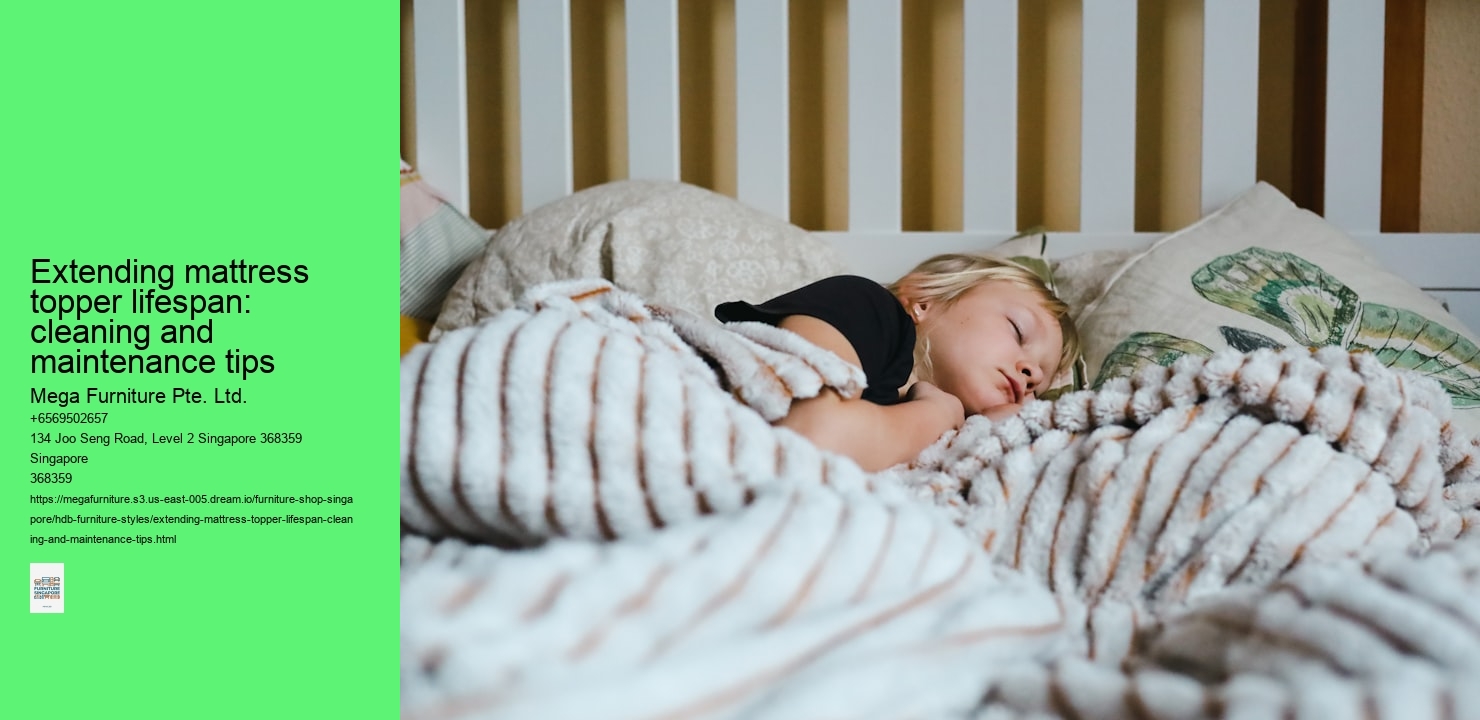
That first year, you'll feel it settling. It's not a dramatic collapse—just a gradual softening where your body presses down night after night. Pressure mapping studies show the foam loses loft first, thinning in the spots that bear your weight. For a side sleeper, those spots are the shoulders and hips. What starts as perfect pressure relief slowly becomes a dip, a gentle hollow that your spine has to bridge. You don't notice it day to day, but after a humid season in a 4-room BTO master bedroom, you might wake with a dull ache that wasn't there before.
The issue isn't just the foam compacting; it's the uneven support that follows. A topper designed to be medium-soft for side sleeping can end up medium-firm in the untouched areas between your pressure points, while those critical zones become too soft. Your alignment shifts subtly. That's the slow compaction—a topper that's still technically there, but no longer working the way it was meant to. It's a particular problem for side sleepers, because their need for hip and shoulder relief is so specific. A back sleeper's weight distribution is different; their compaction might be more uniform.
You can't really fight it. High-density foam resists it longer, but all comfort materials will settle with use. The humid climate here doesn't help—it can make certain foams feel a bit more sluggish, a bit less resilient over time. Rotating the topper head-to-foot every few months can help distribute the wear a little, but it won't stop the dips forming under your shoulders and hips if you sleep in the same position every night. That's just physics.
So what's the takeaway? Don't expect a topper to be a permanent fix for an ageing mattress. It's a temporary enhancement. If your underlying mattress is already sagging, a topper's slow compaction will just accelerate the problem. The one real exception is if you're using it on a firm, perfectly intact mattress—just to add a bit of contouring. In that case, the year-one softening is just the material adapting to you, and it might still be fine. But if you're trying to mask a bed that's already past its prime, you'll likely find yourself shopping for a proper mattress sooner than you planned.
It’s that subtle, rolling sensation—you drift off comfortably on your side, but somewhere past midnight, your body starts to slide toward the middle of the bed. That’s the stubborn indentation pulling your hips or shoulders inward, misaligning everything. The mattress topper might feel soft at first touch, but a worn-out base underneath creates a trough that defeats its purpose, leaving you to fight gravity all night.
For pregnant women advised to sleep on the left side, this becomes a nightly chore. You settle into position, then wake up an hour later because the dip has tilted your pelvis toward the centre, disrupting the recommended alignment. The constant, unconscious adjusting—a slight shift of the hips, a tug of the shoulders back to the edge—means you never truly rest. By morning, that initial softness feels like a cruel joke; the ache in your shoulders is deep and persistent, a price paid for a surface that couldn’t hold its shape.
The culprit often isn’t the topper itself, but the mattress below. A topper adds a comfort layer, but it can’t resurrect a sagging foundation. If the mattress has developed permanent body impressions, the topper will simply conform to those valleys. You’re essentially laying a fresh sheet of foam over a terrain that’s already decided to slope inward. That’s why some shoppers report shoulder pain despite a new, plush topper—the support system underneath has already failed.
So the real fix isn’t just adding cushioning; it’s ensuring the base is still level. If your mattress is more than a few years old and shows clear dips, a topper becomes a temporary bandage, not a cure. For side sleepers, especially those with added pressure points like pregnancy, the priority is a surface that maintains its contour all night, not one that invites a mid-sleep tilt. The only time a topper truly solves this is when the underlying mattress is still fundamentally flat and firm—the topper then adds the softness without the sabotage.
Look for a topper with a dense, resilient core, like a thicker latex layer, that resists collapsing into old indentations. But honestly, if you’re waking up sore and constantly repositioning, it’s a sign the foundation might be gone. In that case, enhancing comfort means addressing the base first; otherwise, you’re just decorating a problem that won’t stay buried.
That sinking feeling in the hips isn't just about the mattress—it's about the topper losing its fight. Many materials, especially cheaper foams, simply don't have the structural integrity to push back against nightly pressure. They compress under the body's weight and, over months, they don't fully bounce back to their original shape. This permanent compaction creates a divot that your hip settles into every night, forcing your spine out of alignment. For side sleepers, that misalignment translates directly into morning stiffness. The material's failure to recover is the root cause, not the initial comfort.
Even a medium-firm latex topper, often praised for its resilience, can be a culprit over time. While latex rebounds faster than memory foam, it's still a foam that undergoes physical stress. In a humid climate, the material's internal structure can subtly degrade, losing some of its elastic properties. After six months of consistent use, that initial supportive feel can soften, especially in the zone where your hip lands. It's a gradual process, not a sudden collapse, but the result is the same: inadequate support where you need it most. Don't assume a latex label guarantees perpetual recovery.
Your body's pressure points dictate where a topper will fail first. The hip and shoulder carry the most weight for a side sleeper, concentrating force on a small area of the topper's surface. This focused load accelerates material fatigue in those specific spots, unlike a more evenly distributed weight from a back sleeper. The topper might look perfectly fine overall, but the critical zones have compacted. That's why a general inspection won't reveal the problem—the damage is localised. Understanding this pressure mapping explains why some toppers fail for side sleepers but remain fine for others.
The link between a failed topper and waking up stiff is direct. When the material doesn't rebound, your hip sinks too deep, pulling your spine into a curved position overnight. Muscles and ligaments then work to stabilise that misaligned spine, leading to strain and inflammation. You're essentially sleeping in a slightly crooked pose for hours. That's why the pain feels specific—a deep, achey stiffness in the hip joint that loosens up after you move around. It's not general fatigue; it's a structural consequence of the support layer collapsing under you.
Selecting a topper for side sleepers means prioritising long-term recovery over initial softness. You need a material that not only contours but actively pushes back throughout the night and for years. High-density foam or a specialised gel-infused layer can offer better durability against compaction. The key is to think beyond the first few weeks of comfort and ask how the material will perform after hundreds of cycles. For existing hip pain, this choice is critical—a topper that merely cushions is a temporary fix, while one that consistently rebounds is a long-term solution. Your morning body will tell you which one you bought.
The most common way a mattress topper gets wrecked isn't through wear—it's from a good-intentioned scrub. Singaporeans, conditioned by our relentless humidity and the constant battle against mould, often reach for the strongest cleaners we can find. That instinct, applied to something like a memory foam or latex topper, is a disaster. Those harsh detergents and abrasive brushes strip away the delicate top layers, leaving the material brittle and unable to contour properly. For side sleepers, that means the pressure-relieving cushion for your shoulders and hips just stops working.
Memory foam, in particular, has a fragile skin. Using anything stronger than a mild soap and a soft cloth can degrade that surface until it feels powdery and crumbles. Latex is tougher, but scrubbing it with a stiff brush creates micro-tears that eventually let moisture seep deep inside. Once that happens in our 80% humidity, the breakdown accelerates from within. You’ll see permanent stains, a change in texture, and a complete loss of that supportive bounce.
The exception is a topper with a removable, machine-washable cover. If yours has one, that’s your only safe cleaning route. Take the cover off, wash it according to the label—usually cold and gentle—and let the core stay completely dry. Never submerge the foam or latex block itself. Spot cleaning the core is possible, but you must use a tiny amount of water and let it evaporate fully before you put the cover back on. Any trapped moisture becomes a breeding ground for mildew in our climate.

So the rule is simple: treat your topper like a delicate cushion, not a floor tile. Skip the bleach, skip the scrub pad, and definitely skip the idea of a full soak. A damp cloth, a drop of gentle detergent, and patience are all you need. Your side-sleeping comfort depends on preserving those soft layers, not attacking them.
" width="100%" height="480">Extending mattress topper lifespan: cleaning and maintenance tipsQueen-size mattresses, 152cm wide by 190cm long, fit most Singapore master bedrooms comfortably. They leave enough clearance for movement in typical HDB layouts. For tighter spaces, a Super Single at 107cm wide can still accommodate side sleeping needs. Always measure your room and plan for about 60cm of clearance on the exit side.
A mattress warranty for side sleepers should cover the core support system. Look for terms that protect against sagging in the comfort layers, which directly impact pressure relief. Most warranties cover frame and material defects, but not wear from regular use or climate effects. Understanding the coverage helps secure your investment in proper spinal alignment.
The Joo Seng showroom layout is smart—they’ve got the Somnuz mattresses arranged so you can sit on each base firmness paired with its topper. It’s not just about lying down; you can actually feel how the pressure relief works at your shoulder and hip while seated, which is a good proxy for side sleeping. Many buyers walk in thinking they need the softest thing available, but that combo often leaves the spine unsupported. What you’re testing here is whether the base gives enough push-back to keep your alignment neutral while the top layer cradles those bony points.
Go for the medium-soft to medium firmness range, especially if you’re dealing with shoulder or hip pain. The thicker memory foam or latex contouring layers on these models are designed to compress where you need it, then recover. In the showroom, press your hand firmly into the shoulder zone and watch how slowly it springs back—that’s the recovery time that matters for overnight support. A topper that stays compressed won’t do you any favours by morning.
There’s a counterintuitive point here: a firmer base with a softer topper often works better for side sleepers than a uniformly soft mattress. The base provides the foundational support that prevents you from sinking into a hammock shape, which can twist the spine. The topper alone handles the pressure relief. You can test this by sitting on the edge of one setup, then shifting to the centre, feeling if your hip sinks too deep. If it does, that base might be too soft for you.
For a proper assessment, you really need to spend a few minutes on each combination. Don’t just bounce on it—settle into your side-sleeping posture, even in the showroom. Let the material warm and mould to your shape. The difference between a mattress that feels good instantly and one that feels good after a minute is often the difference between short-term comfort and proper recovery. The Tampines showroom has the same setups, useful if you’re in the east and want to check how your body feels after that compression test.
The only exception? If you’re very light, you might find a medium-firm base too rigid, and a softer overall feel could work. But for most adults, that firmer-base-with-soft-topper principle holds true. It’s about getting the right push from below while the top layer does the cushioning—that’s what keeps you from waking up with that familiar ache.
Singapore’s humidity—that one really gets into everything. For a mattress topper, especially the softer ones that side sleepers rely on, moisture is a silent enemy. It doesn’t just cause that stale smell; over time, it can degrade the foam’s ability to contour properly around your shoulders and hips. So you’ll want a routine, something simple enough to stick with.
Quarterly rotation is your baseline defence. That’s every three months, roughly aligned with our seasonal shifts—maybe after the year-end monsoon, before the mid-year haze. The goal isn’t just to even out wear from side sleeping, which can create permanent dips if you never move it. It’s also to expose the entire surface to air circulation, letting any trapped moisture escape. In a typical Queen setup, just flip it end-to-end; no heavy lifting needed.
Airing is the next step, but you’ve got to be smart about it. The west-facing afternoon sun is a powerful drying agent, but memory foam and some latex don’t like direct heat. They can soften temporarily or even degrade if overheated. The trick is to use that sun indirectly. In a common 12 sqm bedroom, you might not have space to lay the topper flat. Use the balcony for a brief session—thirty minutes, tops—with the topper placed so the sun hits the underside or the edges, not the core sleeping surface. That’ll drive out moisture without cooking the material.
The only time I’d skip this routine is if your bedroom is unusually dry, maybe in a newer condo with superb air-con and dehumidifier running constantly. But for most HDB flats, where humidity often sits around 80%+, skipping it means inviting mould or a prematurely stiff topper. Just remember: rotate regularly, air cautiously. Your comfort layer will thank you for many more years of proper support.
The instinct to douse a stain is a strong one, especially when it's a splash of kopi on a light-coloured topper in a condo bedroom where the aircon is blasting. You'll want to get it out fast, but that's the exact moment to slow down. A full soak, especially with the wrong cleaner, is a one-way ticket to warped foam and a musty base layer that never really dries. Our humidity sees to that. The foam that's cradling your shoulder tonight will hold onto that moisture like a sponge, creating perfect pockets for mildew in the layers you can't see.
For side sleepers, that's a double whammy. The topper's job is to contour and relieve pressure on your hips and shoulders, and a waterlogged, stiffened section loses that ability. You'll end up with a dead spot right where you need the most give. The method is counterintuitive: you target the spot itself with a mild solution—a bit of diluted dish soap works—and you dab, never rub. Rubbing just pushes the mess deeper into the fibres. You work from the outer edge of the stain inward, pressing with a clean cloth to lift, not spread.
Toddler accidents or a knocked-over water glass need a quick response, but the rule stays the same. Keep the base dry. You're cleaning the surface comfort layer, not giving the whole thing a bath. Blot up as much liquid as you can immediately with a dry towel, then follow with your damp dabbing cloth. The goal is to leave the topper looking and feeling almost untouched, with no tell-tale damp ring that signals a deeper problem. If the topper's cover is removable, that's your first line of defence—take it off and wash it separately according to the care label.
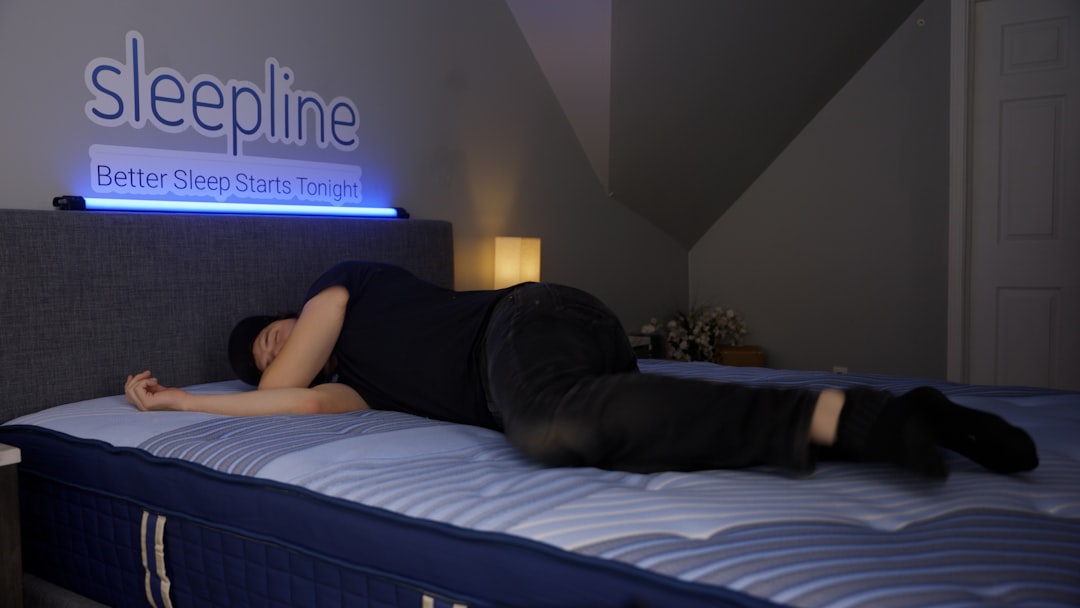
The one time you might break the dab-only rule? If the spill is something like milk or juice that can sour. Then you need to be slightly more aggressive with your cleaning solution to break down the sugars, but you still avoid saturation. A light mist from a spray bottle, followed by immediate dabbing, is about as wet as you should get. After any cleaning, air the area out thoroughly, maybe even point a fan at it for a few hours. A topper that feels damp to the touch after a couple hours has been over-wetted, and in our climate, that's asking for trouble.
A topper that’s past its prime will let you know—usually with a dull ache in the shoulder or hip come morning. The whole point is to cushion those pressure points, so when the material breaks down, it’s not doing its job anymore. That’s when you start wondering if the topper itself is the problem.
Can a mattress topper cause back pain? It can, but only if it’s the wrong one or a worn-out one. A fresh, suitable topper for side sleepers should cradle your shoulders and hips without letting your spine sag. If yours is too soft and old, it’ll let you sink too deep, throwing your alignment off. That’s not the topper’s fault; it’s a sign it needs replacing.
How often should you rotate a mattress topper in our climate? Every three to four months is a good rhythm. You don’t flip them, but giving them a quarter-turn helps the foam or latex recover from the constant pressure in the same spots. Singapore’s humidity means sweat and moisture get absorbed unevenly, so rotating spreads the wear and helps it air out better. Miss a few cycles and you’ll find one side permanently dented.

Is a memory foam topper safe for pregnancy? Generally, yes—the contouring can be a relief for sore joints. The key is to pick one that’s certified for low off-gassing, as sensitivity to smells can be higher. A medium-firm latex topper is also a stellar choice here, as it offers that pressure relief without the sinking feeling some memory foam can have, which makes changing positions a bit easier later on.
So, is latex better for shoulder pain? For many, absolutely. Latex has a buoyant, responsive feel that supports without that ‘stuck’ sensation. It pushes back just enough to keep your shoulder from sinking too far, which is what often causes that pinch. Memory foam is great for contouring, but if you find yourself fighting to roll over, a natural latex topper might be the better fix. Just remember, no material lasts forever—once it loses its spring, it’s time.
The showroom mattress will feel different after a month in your room, and the real test happens before you even leave the house. Lie on your current bed for a good ten minutes, paying attention to where your body presses down. For a side sleeper, that’s the shoulder and hip—if there’s a sharp ache or a feeling that you’re sinking into a hole, you’ve found your pressure points. A topper that’s already dipping in the middle isn’t just tired; it’s telling you the support layer underneath has probably given up. You can’t fix a collapsed base with a new topper, you’ll just waste money.
That’s why the overnight test matters. Don’t just bounce on a showroom sample for five minutes. You need to know how the material rebounds after eight hours of your weight. Memory foam is famous for contouring—it cradles your shoulder beautifully, letting your spine stay straight. The trade-off is that slower recovery; you might feel a bit ‘stuck’ when you shift. Latex, especially natural Dunlop, pushes back quicker. It offers contouring too, but it’s more buoyant, which some side sleepers find helps with alignment without that sinking feeling.
Your own sleeping habits decide this one. If you tend to stay put most of the night, memory foam’s deep hug could be perfect. But if you’re a restless side sleeper, or you switch positions often, that quicker latex rebound might stop you from fighting the bed all night. There’s no single right answer, but there’s a wrong one: buying based on a two-minute lie-down. The pressure relief you need is about sustained support, not just initial softness.
Take a final look at your existing setup. Got a firm mattress that feels like a plank? A thicker, plush topper can bridge the gap. Already on a medium-soft mattress that just sags? A firmer, supportive latex topper might be the better fix to restore alignment. This last check isn’t about diagnosing the topper—it’s about diagnosing what’s underneath it. Go in knowing that, and you won’t leave the showroom with a solution that doesn’t match the problem.